
Loading...
 World Leader in Microfilm Technology
Microfilm has a 20-100 year lifespan. Vinegar syndrome and redox blemishes destroy content permanently. Convert now—while recovery is still possible.
From document pickup to digital delivery—we handle everything so you can focus on your business.
Ship your microfilm reels, fiche, or aperture cards. We handle all formats and conditions.
Professional scanning with image enhancement. Even degraded film can often be rescued.
Get searchable PDFs or TIFFs with full indexing. Your records preserved forever.
Different microfilm types have vastly different lifespans. Identify your film type to understand the urgency of conversion.
1890s-1950s
Highly flammable, prone to decomposition. Self-ignition risk.
1920s-1950s
'Vinegar syndrome' causes irreversible shrinkage and brittleness.
1940s-1990s
Also susceptible to vinegar syndrome but slower degradation.
1960s-Present
Most stable base. Digital conversion still recommended for access.
Many organizations have multiple film types in their archives. We can assess your collection and prioritize conversion based on degradation risk.
Request Urgent AssessmentAny of these indicate your film needs immediate attention. Degradation accelerates once it begins.
Acetic acid release from diacetate film decay
Immediate conversion required
Redox blemishes ('measles') indicate silver migration
Priority conversion recommended
Film becomes fragile and prone to cracking
Handle with care, convert soon
Yellowing or fading indicates chemical breakdown
Plan conversion within 6 months
Not sure about your film's condition?
Request Free Condition Assessment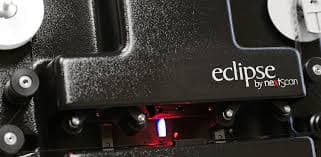
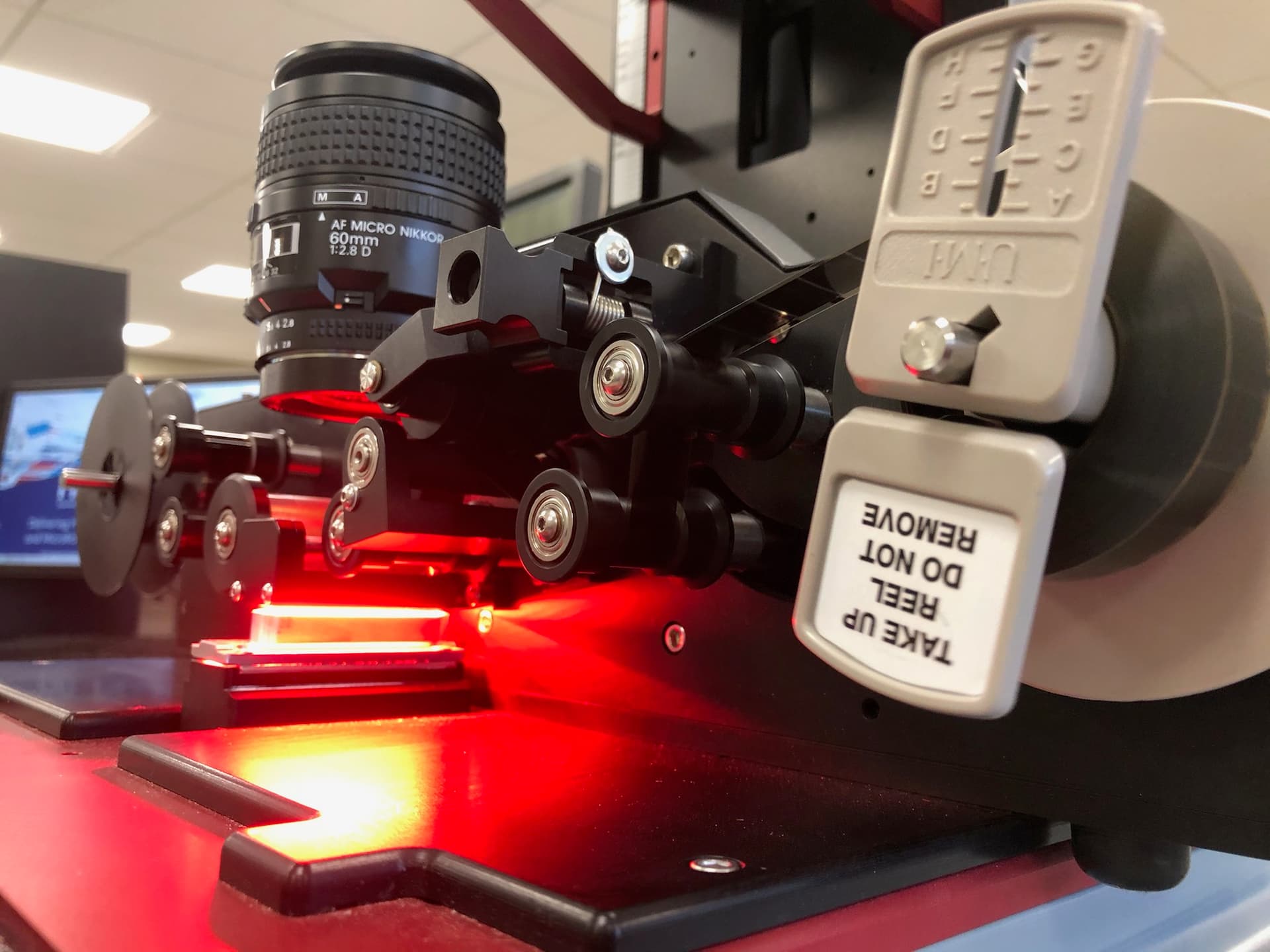
High-Speed Microfilm Scanner
The Eclipse 2000 processes up to 2,000 images per minute with PerfectView automatic image enhancement. It recovers detail from degraded film that often EXCEEDS the original quality. Essential for preservation projects where time is critical.
Pennsylvania state archival standards for permanent records
Pennsylvania Historical & Museum Commission
PHMC-compliant output is STANDARD for all government microfilm conversions. 100+ PA/NJ county deployments.
Download PHMC GuidePermanent record preservation requirements
Pennsylvania State Archives Standards
Complete metadata preservation. Hollerith encoding captured. Original filing systems maintained in digital archive.
Request Archives ConsultationNew Jersey state records management and archival standards
NJ Division of Archives and Records Management
NJ DARM-compliant output delivered as standard for all New Jersey government microfilm conversions. Reynolds staff trained in NJ archival requirements.
Request NJ Compliance ConsultationHover over any framework to see how Reynolds addresses your specific requirements
Original media handled with archival care. Full chain of custody documentation for your records.
Reynolds staff transports your documents with detailed inventory and tracking.
24/7 access to any document. Emergency retrieval available same-day.
Staff in controlled facility prepare documents for scanning with full access controls.
Request any document—we scan it immediately and deliver within 4 hours.
Dual-phase verification with page-count reconciliation ensures 100% accuracy.
Real-time progress updates. Request specific files anytime during project.
Encrypted transfer with format validation and signed completion certificate.
Full audit trail documentation provided for compliance records.
Need a document during the project? We scan it immediately and deliver within 4 hours.
Degrading media prioritized. Image enhancement often exceeds original quality. PHMC-compliant output standard.
Day 1
Evaluate film condition, identify at-risk media, prioritize degraded reels for immediate processing.
Triage
Degrading film processed first. Vinegar syndrome and redox-affected reels receive priority handling.
Optimized
NextScan configured for film format, condition, and maximum image recovery.
2000 ipm
Eclipse 2000 production scanning—2000 images per minute with automatic enhancement.
PerfectView
Density, contrast, noise reduction. Quality often EXCEEDS the original microfilm.
Searchable
Full-text OCR for searchable archives. Hollerith encoding and metadata preserved.
100% Checked
Image quality verification, count reconciliation, PHMC format validation.
PDF/A-1a
PHMC-compliant PDF/A output. Original film returned or stored per your requirements.
These organizations acted before degradation made conversion impossible
Jim Thorpe, PA
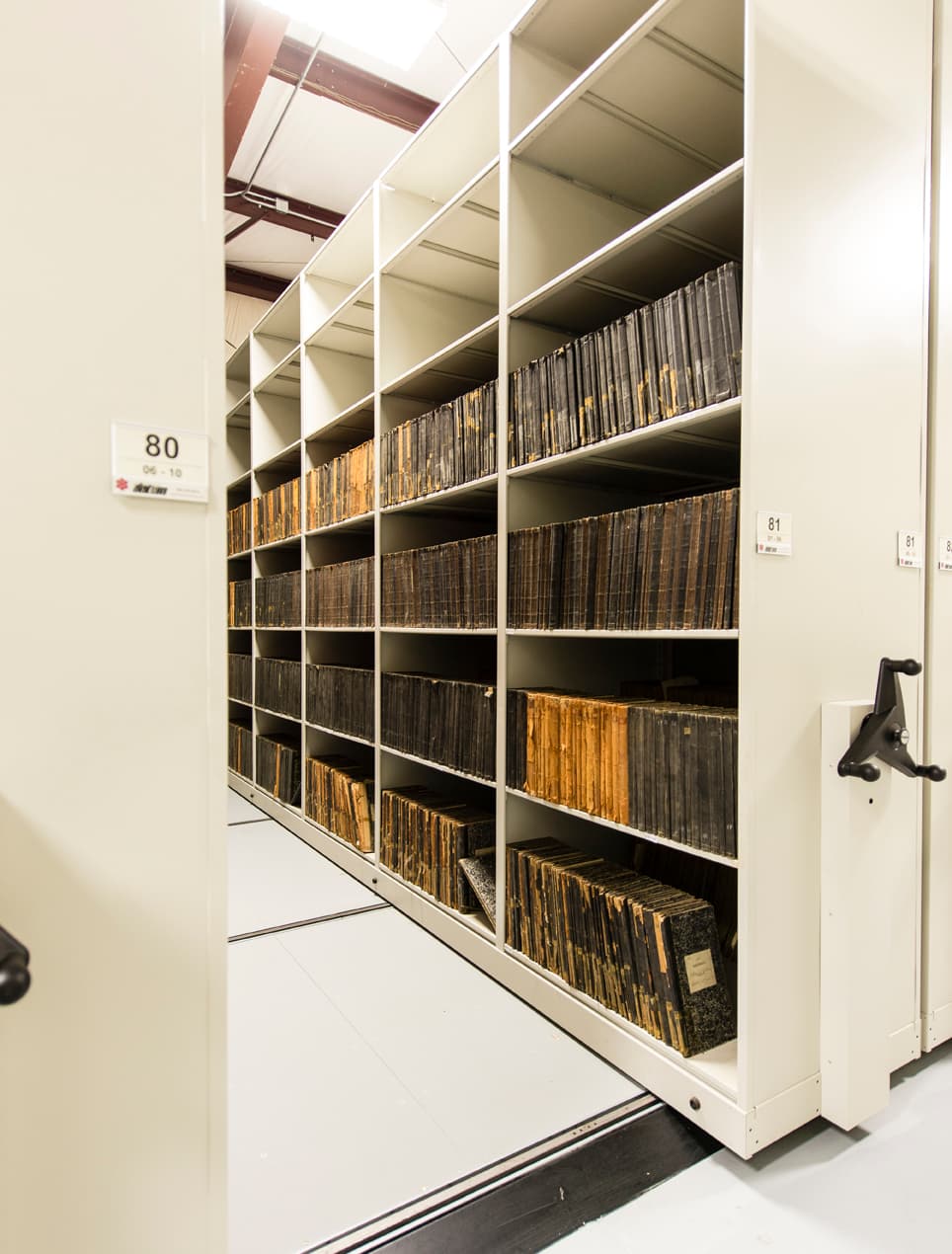
Millions of land records and historical documents stored in aging microfilm—difficult to access and at risk of degradation.
Lehigh Valley, PA
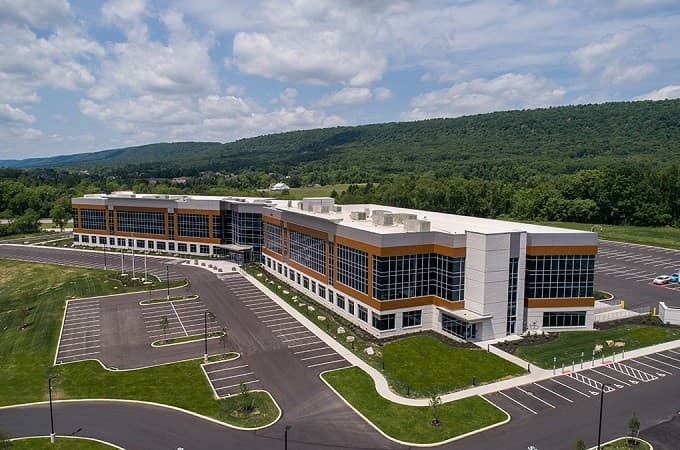
Millions of statement and loan documents were on legacy microfilm and microfiche without backup and difficult to access.

Lehighton, PA
District had an entire history of student records on microfilm rolls and aperture cards—difficult to access and in need of a backup.
Everything about microfilm degradation, preservation, and conversion.
Don't wait until degradation makes recovery impossible. Get a condition assessment now.
Assess My FilmFree • No obligation • 24hr response
Warning signs include: vinegar smell (acetic acid from diacetate film decay), visible spots or blemishes (redox/'measles'), brittleness or cracking, and color changes like yellowing. If you notice ANY of these signs, conversion is urgent—degradation accelerates exponentially once it begins.
Silver-based microfilm in proper archival storage: 100+ years. Diacetate film (common 1950s-1980s): 20-100 years before vinegar syndrome. Most organizational microfilm from the 1970s-90s is approaching or past its reliable lifespan. Heat and humidity accelerate degradation significantly.
Our NextScan equipment with PerfectView software includes automatic image enhancement, contrast adjustment, and noise reduction. We often recover readable images from degraded film—sometimes EXCEEDING original quality. However, once images are completely lost to degradation, recovery is impossible. This is why early conversion is critical.
Degrading media receives priority processing. We can typically begin scanning within 1-2 weeks of assessment. Our Eclipse 2000 processes 2000 images per minute—a 100-reel project completes in 2-3 weeks including enhancement and QC. Rush services available for severely degraded media.
Absolutely. Part of our assessment identifies at-risk media—reels showing vinegar syndrome, redox blemishes, or other degradation. These receive priority processing to preserve content before further damage occurs. We'll flag any urgent preservation needs in our condition report.
Professional microfilm scanners range from $6K-125K depending on speed, resolution, and format support. Rather than investing in equipment, most organizations choose our conversion service—you get production-grade results from our NextScan Eclipse 2000 (2,000 images/minute) without any capital expenditure.
Yes. Our scanners read the Hollerith punch encoding and preserve this index data with each digital image. Your original filing system transfers intact to the digital archive—no re-indexing required.
Pennsylvania government records require PHMC (Pennsylvania Historical & Museum Commission) compliance: PDF/A-1a format at 300+ DPI with full metadata. We deliver PHMC-compliant output as STANDARD for all government microfilm conversions. 100+ PA/NJ county deployments verify our compliance approach.
You choose: return, storage, or destruction. For PHMC compliance, many organizations are required to retain original microfilm. We can provide archival storage recommendations or integrate with your high-density storage system to maintain originals efficiently.
Don't wait until degradation makes recovery impossible. Get a condition assessment now.
Assess My FilmFree • No obligation • 24hr response