
Emmaus, PA
Reynolds Business Systems
Loading...
Direct Answer

What is microfilm scanning (microfilm conversion)?

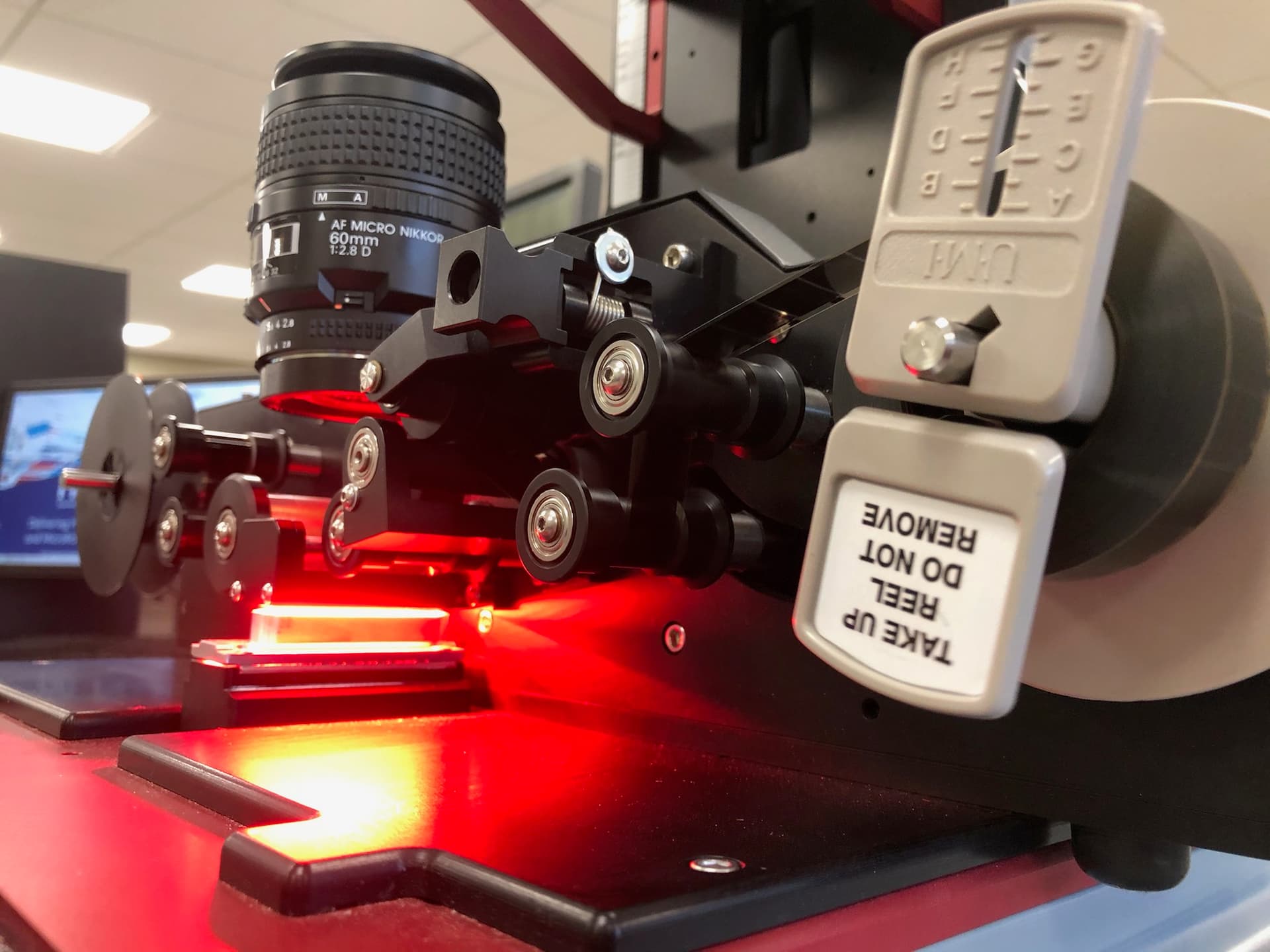
Microfilm scanning — also called microfilm conversion — is the process of digitizing the images stored on rolls of microfilm, microfiche, or aperture cards into searchable digital files. It matters because film degrades and the equipment to read it is disappearing: a single roll can hold up to roughly 2,000 document images, and once the film deteriorates that information becomes hard or impossible to recover. Acetate ("safety") microfilm is especially at risk from "vinegar syndrome," the acid-releasing decay governed by ISO 18911, the international standard for storing processed safety photographic film; cold, dry storage slows it, but advanced decay cannot be reversed. Film type also affects compliance: according to the Pennsylvania State Archives, only wet-processed silver-halide roll film qualifies as a permanent security copy — diazo and vesicular film do not — a distinction that can make conversion urgent rather than optional. The state's own security-microfilm program already stores roughly 225,000 rolls for Pennsylvania governments and school districts. Converting to digital preserves the records and makes them instantly searchable instead of requiring a microfilm reader. Reynolds Business Systems runs microfilm, microfiche, and aperture-card conversion in-house and returns indexed, searchable files. Prepared by the document-solutions specialists at Reynolds Business Systems, a Laserfiche Certified Partner serving Pennsylvania's Lehigh Valley since 1970; reviewed July 2026.