
Loading...
Reynolds delivers scanning solutions purpose-built for life sciences — backed by 55+ years of regulated-industry experience and 100% client retention.
These are day-to-day workflows Reynolds can configure for life sciences organizations.
Validated capture of executed batch records, manufacturing instructions, deviation reports — supports lot traceability and 21 CFR Part 11 e-records.
Case report forms, study binders, lab notebooks — chain-of-custody scanning that preserves data integrity for FDA inspection.
SOPs, training records, audit reports, CAPA files — indexed and retention-scheduled for FDA / EMA inspection readiness.
IQ / OQ / PQ binders, validation protocols, and reports — captured into Laserfiche with audit trail and electronic signature.
Convert paper records to searchable digital files with audit-grade quality control.
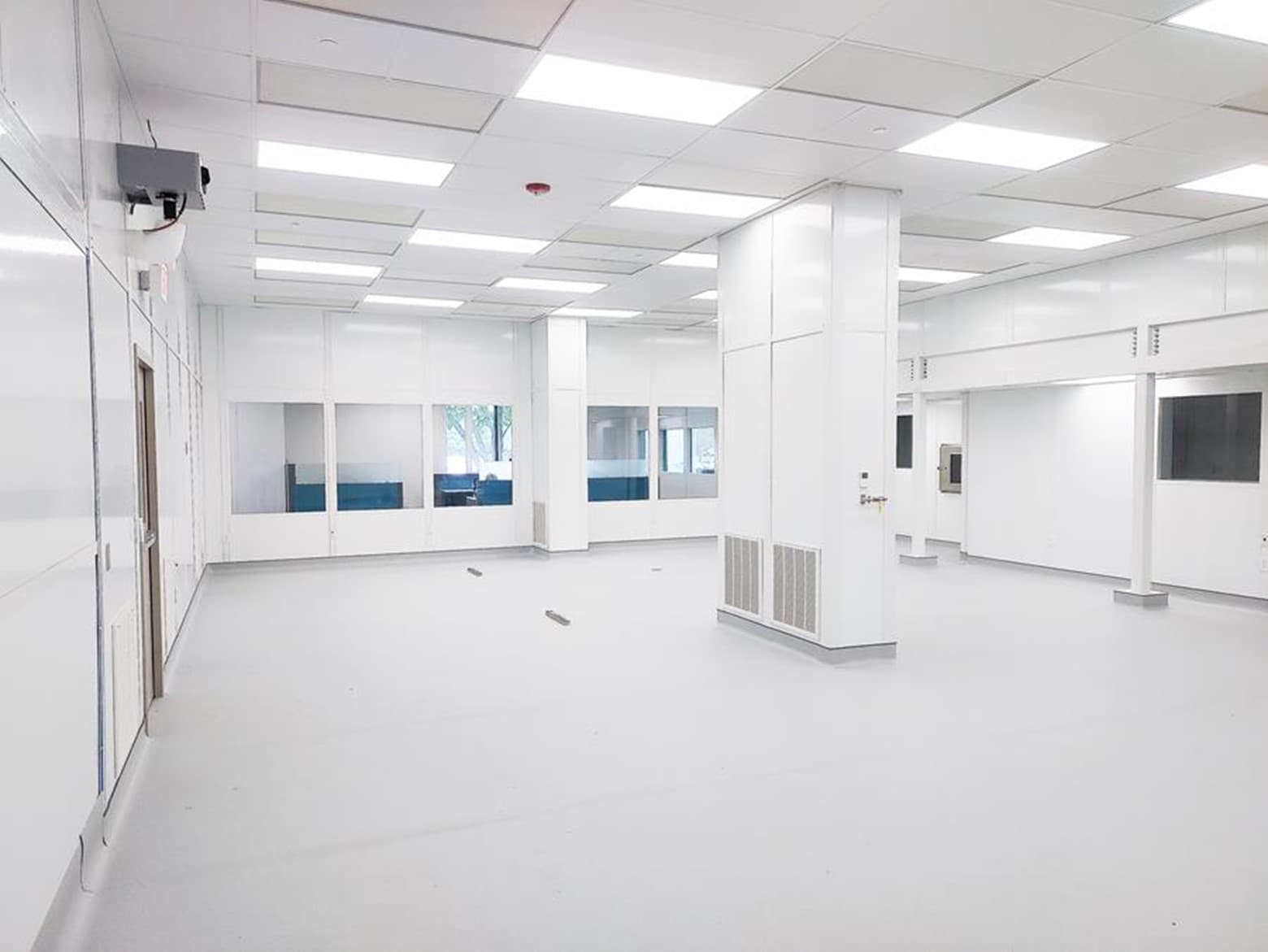
Founded in 1970, Reynolds supports life sciences organizations with FDA 21 CFR Part 11 and cGMP-aligned records and cleanroom storage, serving clients including Biocoat and Air Products.
Electronic records & signatures
Current Good Manufacturing Practice
Practical guides from the Reynolds Resource Hub on scanning.

A definitive guide to scanning books and bound volumes for government, archives and records teams: overhead V-cradle vs. destructive methods, the DPI and OCR settings archival capture requires, fragile-volume handling, per-page cost, throughput, and how to choose a method.

A definitive guide for healthcare HIM and operations leaders on electronic medical record scanning: the difference between back-file and day-forward conversion, the HIPAA Security Rule safeguards a project must meet, how scanned charts are indexed and imported into Epic and Oracle Health, what the work costs per page, how long digital records must be kept, and how to choose a HIPAA-compliant vendor.

A definitive guide to large- and wide-format scanning for AEC, government and manufacturing teams: ANSI, ARCH and ISO sheet sizes, wide-format scanner specifications, the DPI line art and permanent records require, CAD and GIS output, archival standards, per-drawing cost, and how to choose a method.
Get our life-sciences scanning playbook — Part 11 validation, GxP chain of custody, and an IQ/OQ checklist for capture deployments.
Review the practical reference and contact Reynolds with questions.
The Reynolds team will review your life sciences requirements and follow up about the appropriate next step.