Does healthcare storage shelving need to be NSF certified?
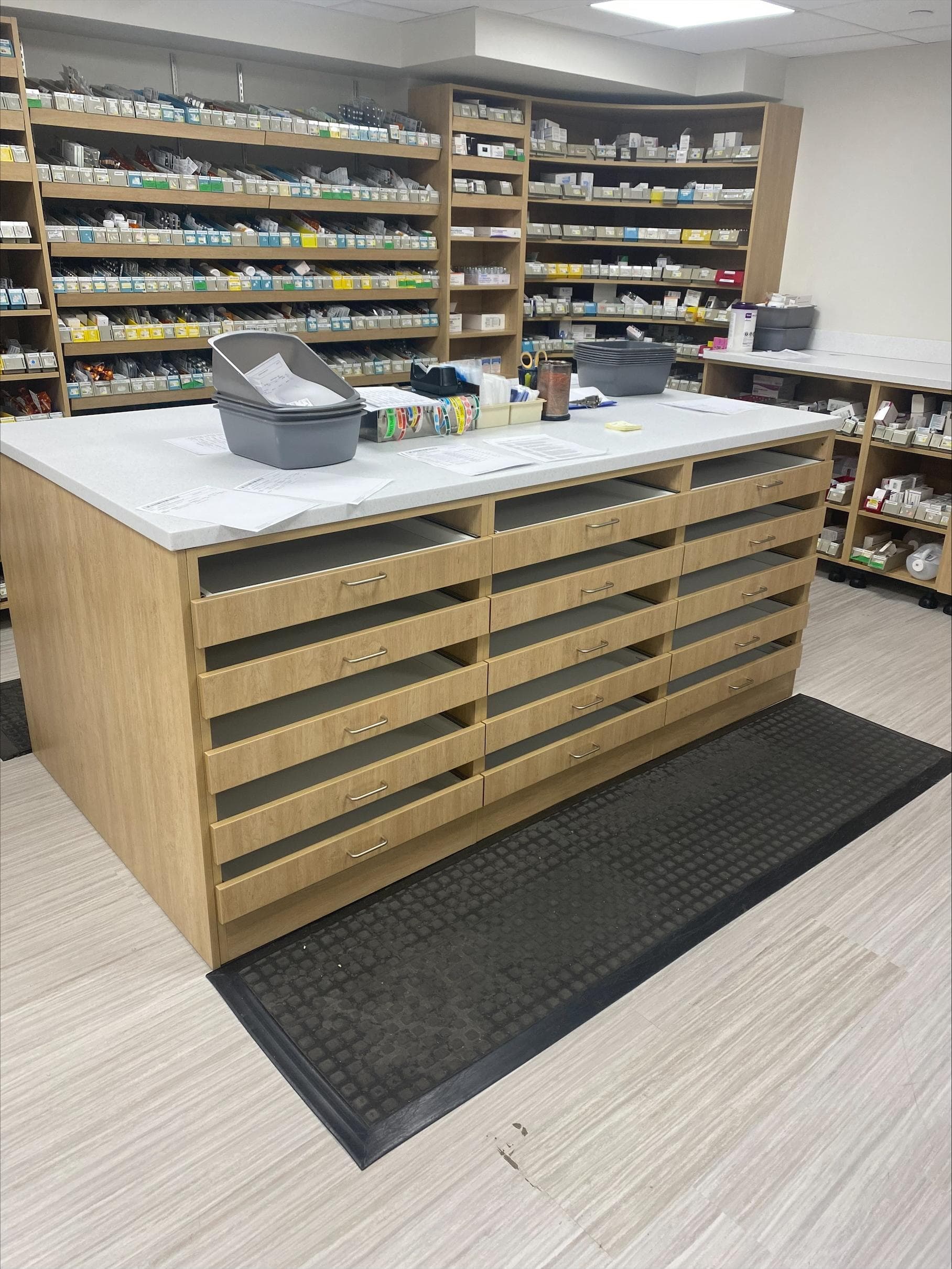
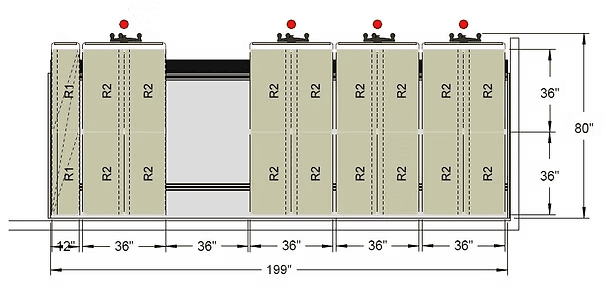
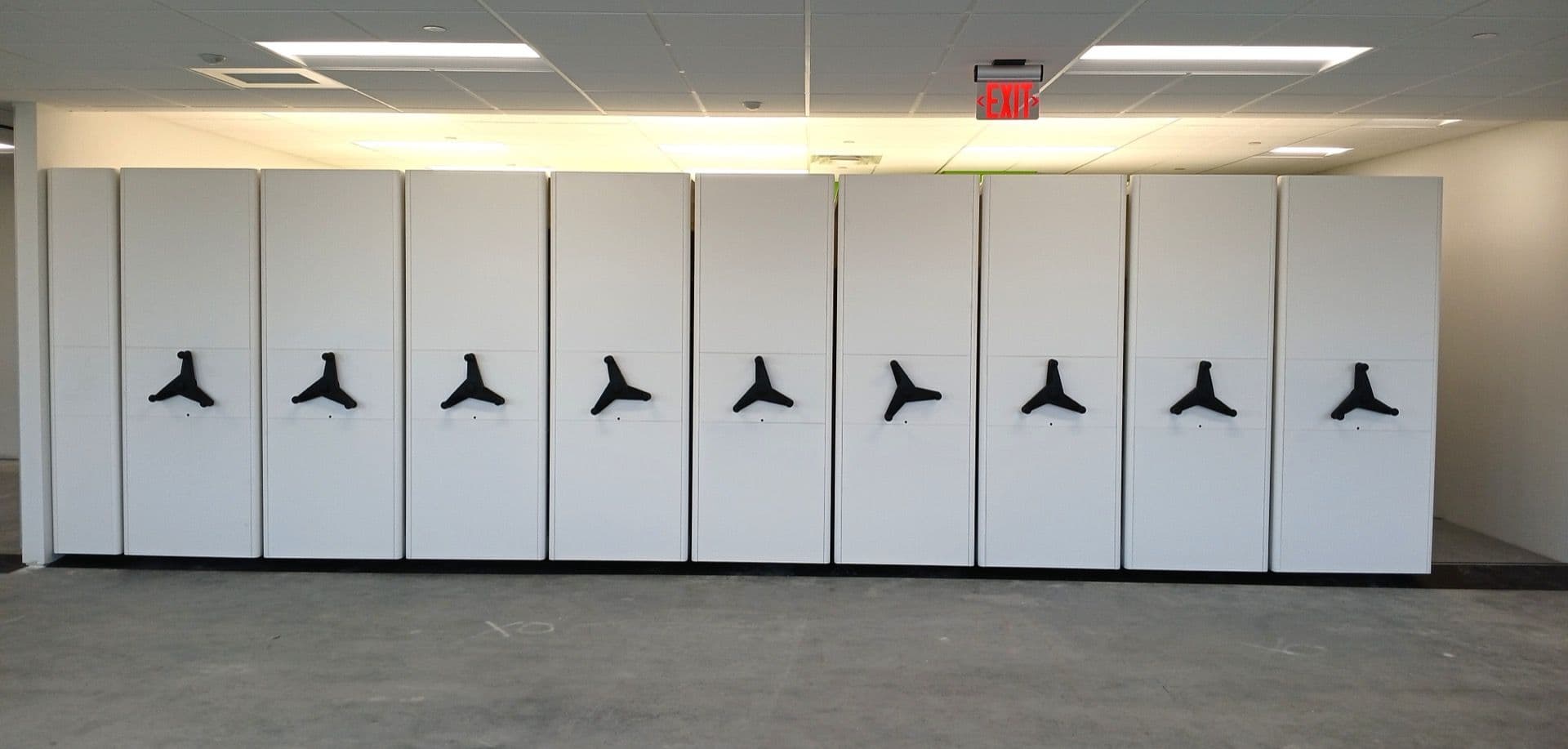
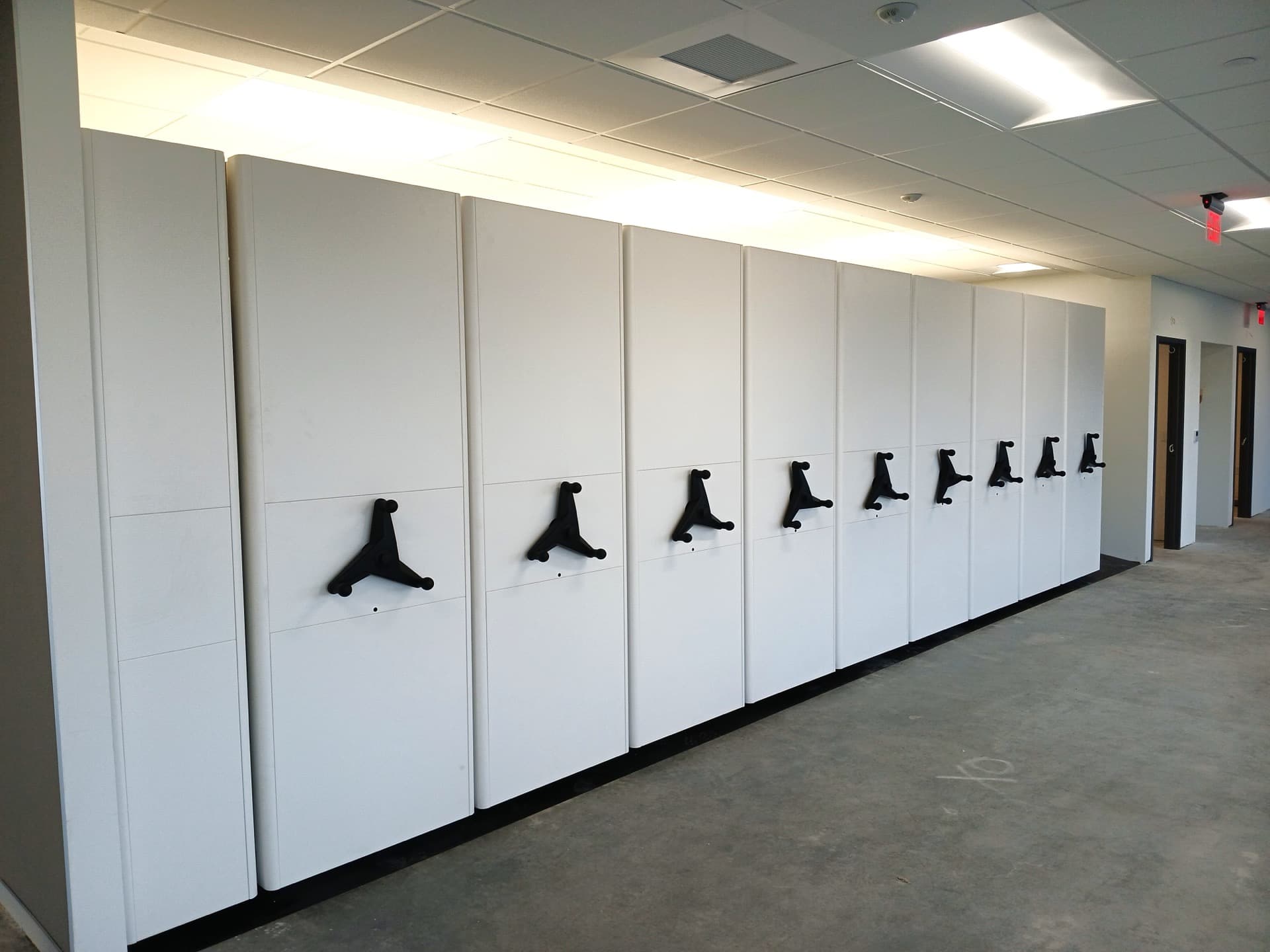
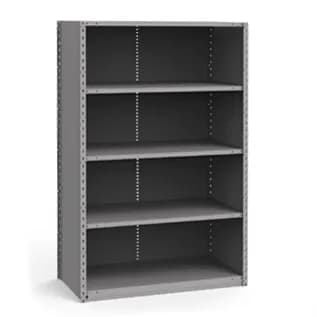
Healthcare storage shelving refers to wire, stainless steel, or mobile high-density shelving systems built for hospitals, pharmacies, and medical facilities to meet infection-control, inspection, and records-security requirements. Wire shelving used in supply rooms, cold storage, and pharmacies is typically required to meet NSF/ANSI Standard 2 (Food Equipment) — according to NSF's own published scope, the specific NSF-ANSI standard covering storage cabinets, shelving, and carts for food-contact and healthcare surfaces — and Reynolds' NSF-certified wire shelving is rated to hold up to 800 lbs per shelf, per Reynolds' published specifications, with an open design that supports air circulation and sanitization. Pharmacies storing hazardous drugs face an added layer: according to USP General Chapter <800>, official since December 1, 2019, those drugs must be segregated from other stock on a dedicated shelf, rack, cabinet, or room, distinct from general shelving sanitation certification. Sterile-processing and cleanroom environments instead call for 304 stainless steel shelving, since its non-porous surface resists bacteria and withstands harsh chemical disinfectants. For medical records and pharmacy storage, high-density mobile shelving can reduce a facility's storage footprint by up to 80% compared to static shelving while adding HIPAA-compliant locking, per Reynolds' stated capacity. Reynolds designs each configuration to meet Joint Commission (JCAHO) storage requirements ahead of inspection. Prepared by Reynolds Business Systems' document-solutions specialists, serving Pennsylvania's Lehigh Valley since 1970; reviewed July 2026.