What's the difference between a desktop and a production microfilm scanner?
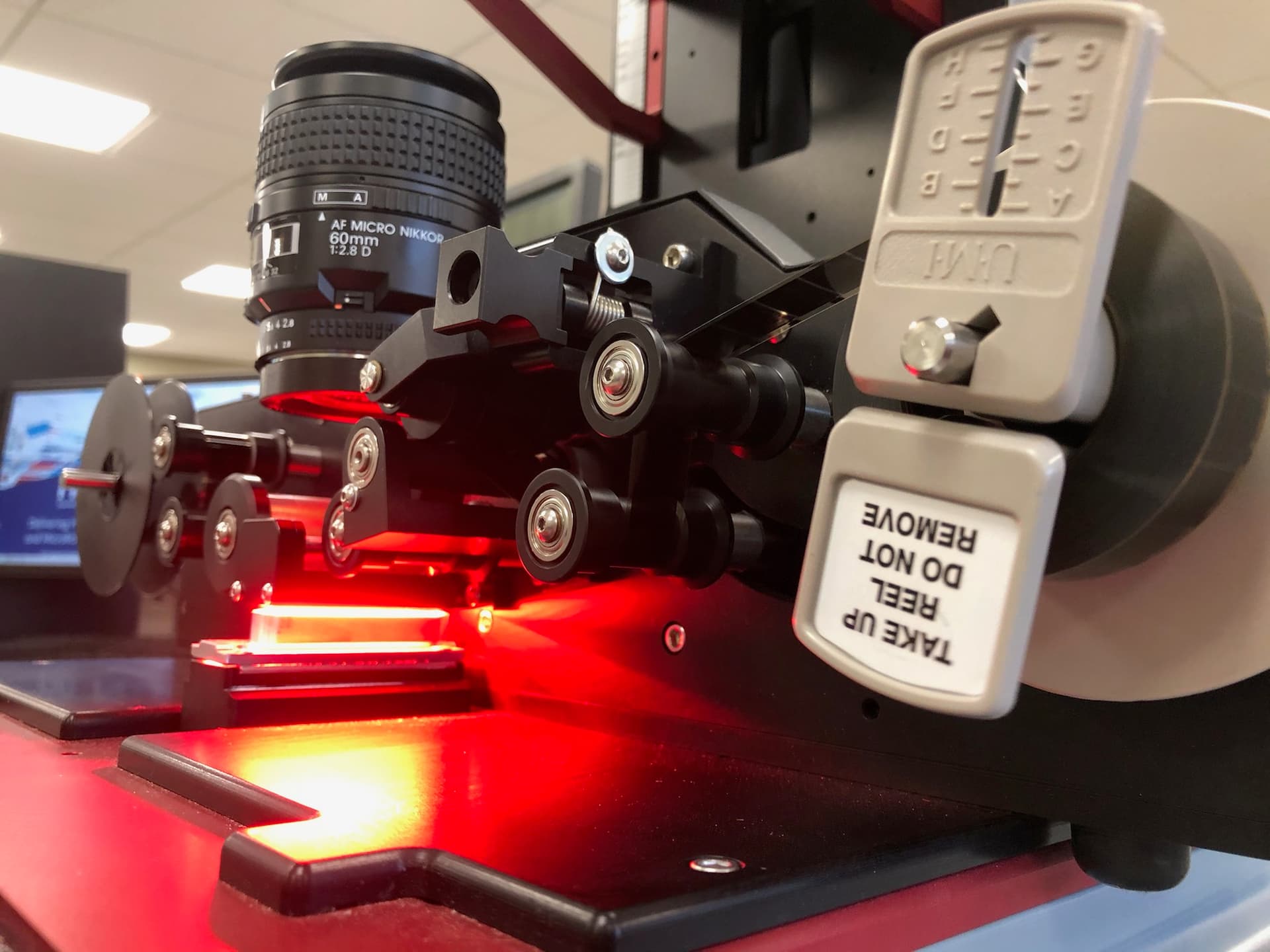
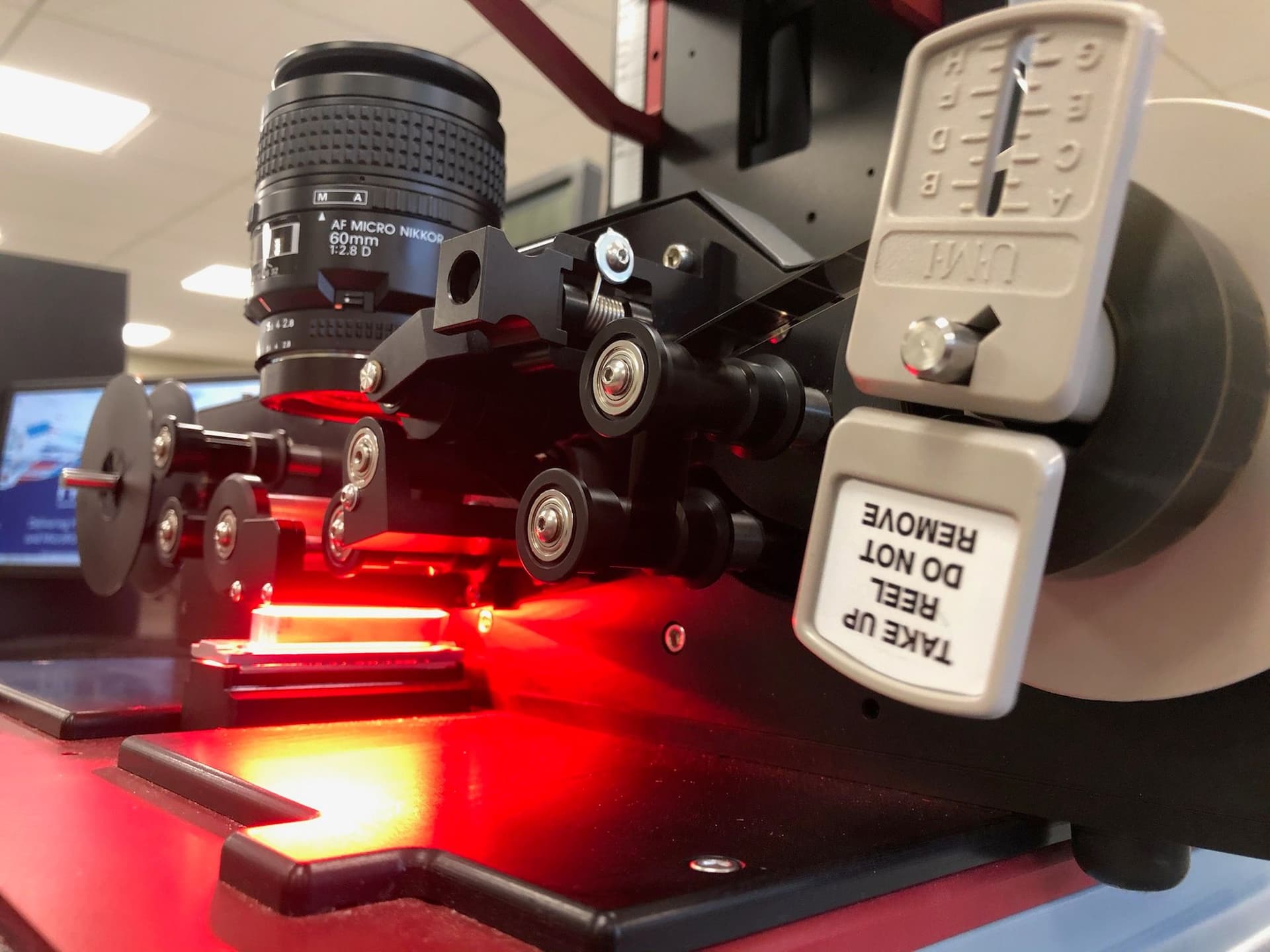
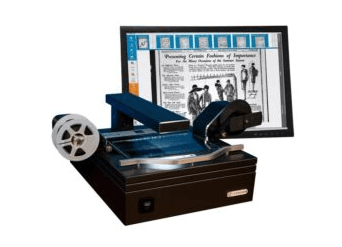
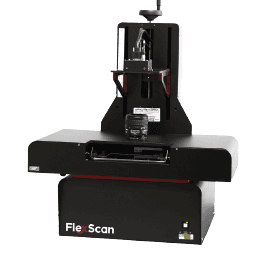
A desktop microfilm scanner is built for end-user, on-demand access—research lookups and one-off record requests—while a production microfilm scanner is engineered for high-volume, unattended digitization of entire archives. Reynolds' ST Imaging ViewScan 5 desktop unit uses a 20-megapixel camera and USB 3 interface to scan 16mm/35mm roll film, microfiche, and aperture cards in a single machine, with output configured for PHMC-ready PDF. By contrast, the NextScan FlexScan production scanner processes roll film at up to 800 pages per minute, and the NextScan Eclipse 2000 reaches 2,000 pages per minute according to NextScan's published equipment specifications—fast enough to clear a full 100-foot, 2,500-image 16mm roll in roughly a minute and archives converting 50,000-plus images per month. Production models also output PDF/A—the ISO 19005 standard for long-term electronic document preservation—and TIFF for PHMC- and FADGI-compliant archival storage; NARA’s digitization regulation (36 CFR § 1236.50) sets its image-quality parameters at the FADGI three-star level for permanent federal paper records, underscoring why output quality matters beyond raw speed. Desktop units prioritize instant on-screen clarity over bulk throughput. Choosing between the two comes down to use case: daily staff or patron access favors a desktop microfilm scanner, and large-scale conversion projects favor a production model. Prepared and reviewed by Reynolds Business Systems' document-solutions specialists, serving Pennsylvania's Lehigh Valley since 1970; last reviewed July 2026.