What are the OSHA regulations for pallet racking?
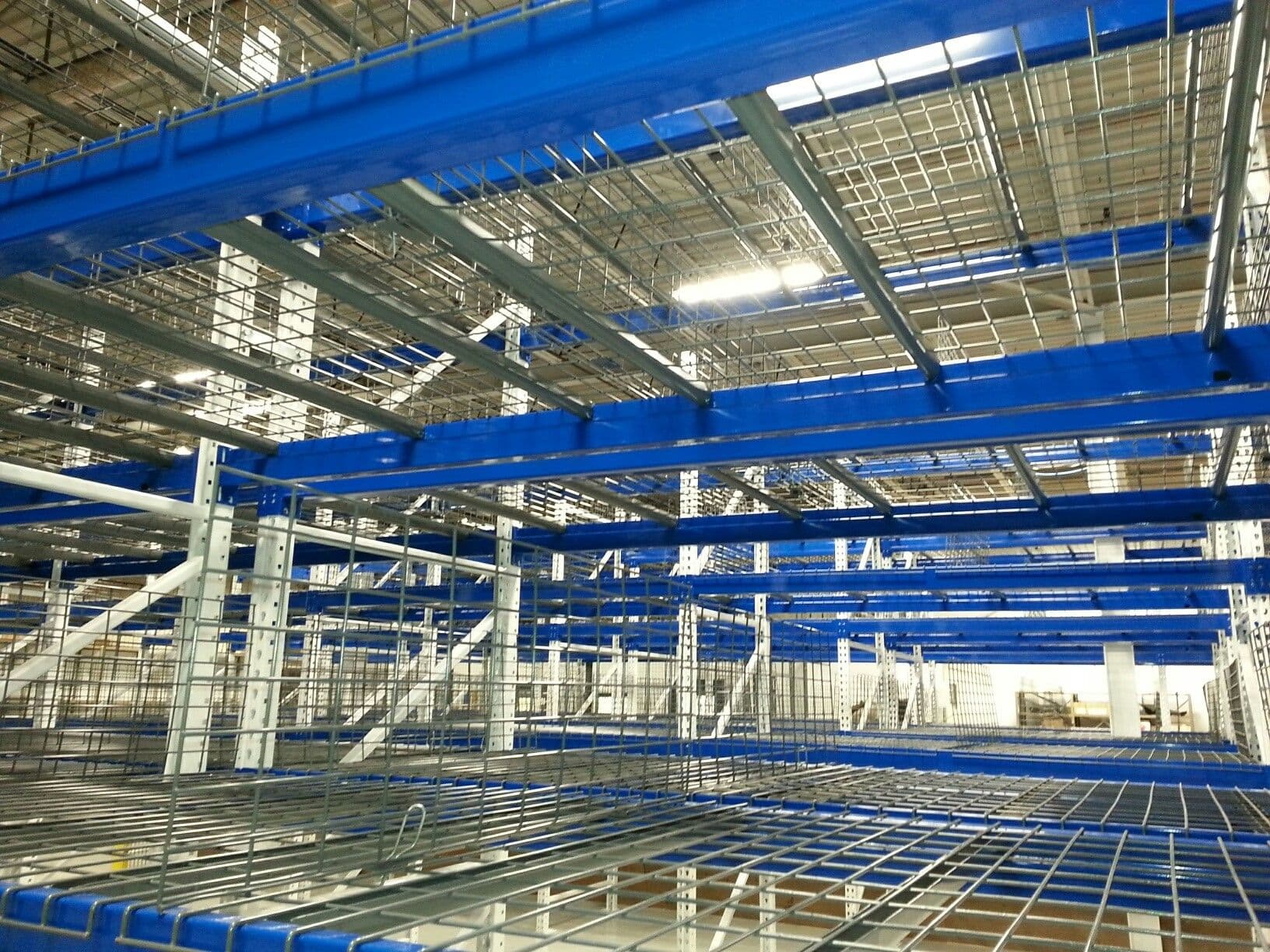
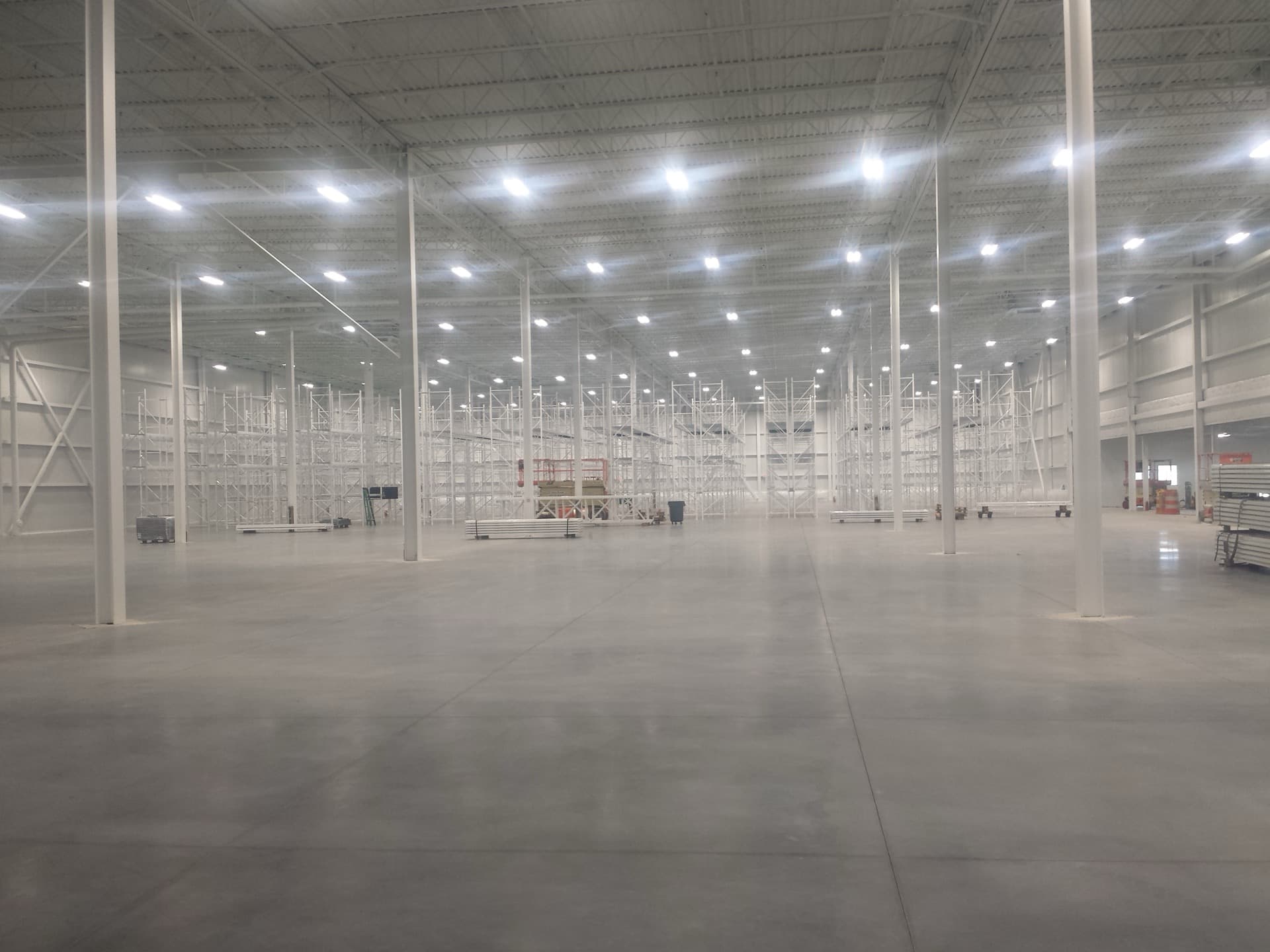
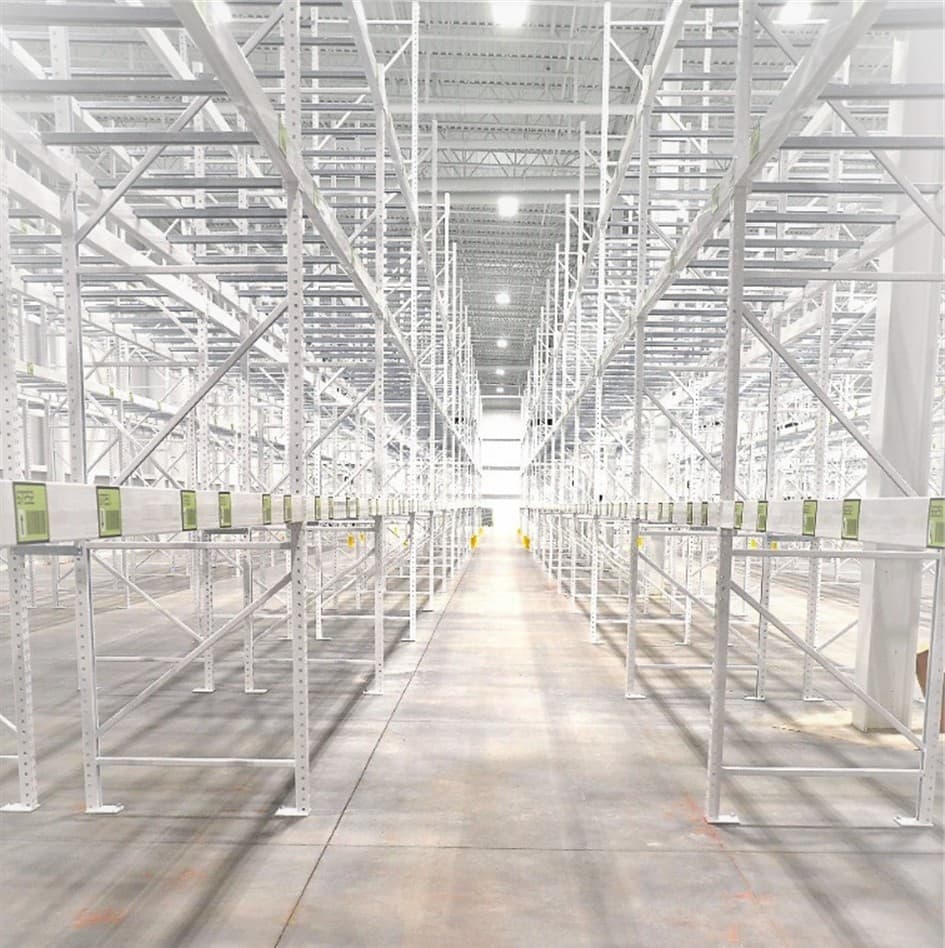
OSHA has no standalone pallet-racking standard; the applicable general-industry rule, 29 CFR 1910.176, requires "sufficient safe clearances" for aisles and mechanical handling equipment (1910.176(a)) and stable, hazard-free stacking of stored materials (1910.176(b)). According to ANSI MH16.1-2023, "Design, Testing, and Utilization of Industrial Steel Storage Racks" — the industry consensus standard published by the Rack Manufacturers Institute (RMI) and referenced by OSHA and the International Building Code — Section 4.5 requires every rack installation to carry a permanent load-capacity plaque of at least 50 square inches showing the maximum permissible unit load, total load per bay, and number of storage levels. A serious violation of either rule — an obstructed aisle or a missing load plaque — carries a maximum OSHA penalty of $16,550 per citation under the agency's current 2025-2026 penalty schedule. Reynolds Business Systems, with 55 years of experience serving Pennsylvania's Lehigh Valley since 1970, engineers pallet racking systems — selective, drive-in, push-back, and cantilever — to meet both the OSHA aisle-clearance rule and RMI/ANSI MH16.1 load and anchoring requirements, with installations typically completed in 2-4 weeks. Selective pallet racking, the most common configuration for warehouses needing direct pallet access, gives 100% selectivity to every position, while drive-in racking trades selectivity for higher density in cold-storage and high-volume, low-SKU environments. Prepared by Reynolds Business Systems' document-solutions specialists, serving Pennsylvania's Lehigh Valley since 1970; reviewed July 2026.